

Boxing: The Ultimate Guide to Techniques, Training, and News
Boxing is one of the oldest and most beloved sports globally, combining physical endurance, strategy, and mental focus. Whether you’re a beginner stepping into the gym for the first time, a seasoned fighter, or simply someone interested in understanding this dynamic sport, this guide has you covered.
What Is Boxing?
Boxing is a combat sport where two individuals, wearing gloves, attempt to score points by landing punches on their opponent’s upper body or head. The sport has evolved from ancient times and has become a major part of both competitive sports and fitness routines.
Latest posts
Boxing
View all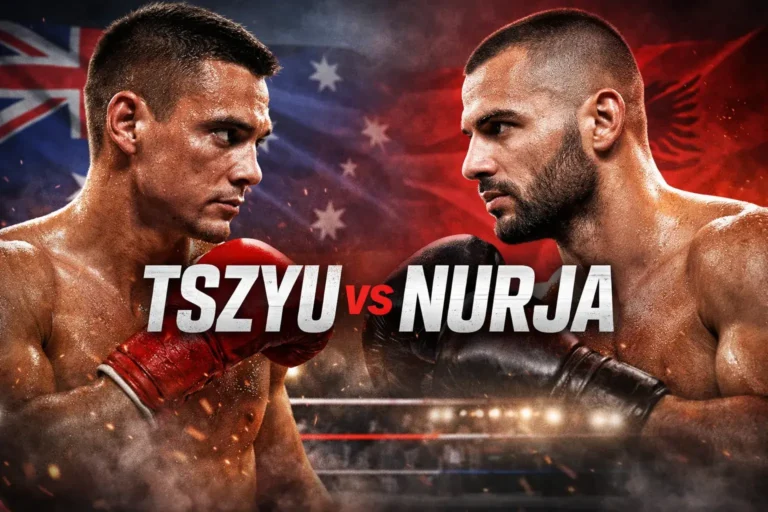
Tim Tszyu vs Denis Nurja: Aussie Star Set to Face Unbeaten WBA Contender
Australian boxing star Tim Tszyu is preparing for his next fight as he takes on unbeaten contender Denis Nurja in a super…

Tyson Fury Set for Highly Anticipated 2026 Comeback
Boxing superstar Tyson Fury is set to make his much-anticipated return to the ring in 2026, sending shockwaves through the heavyweight division.…

Dalton Smith Claims WBC World Title in Stunning Upset
In a stunning turn of events, British boxer Dalton Smith has secured the WBC world title after defeating the highly-ranked Subriel Matias.…
The History of Boxing
Boxing’s origins date back to ancient civilizations, including the Greeks and Romans. Over the centuries, it transformed into the modern sport we know today, governed by strict rules and held in venues like the iconic Madison Square Garden in New York. Boxing has produced legends like Muhammad Ali, Mike Tyson, Floyd Mayweather, and many others who have made a significant impact on the sport’s culture and legacy.
Key Boxing Techniques Every Boxer Should Master
Boxing isn’t just about throwing punches—it’s about strategy, precision, and timing. Here are the core techniques that every boxer should focus on:
1. Jab
The jab is the most basic yet essential punch in boxing. It’s fast, versatile, and can be used to measure distance, set up other punches, and keep an opponent at bay. The jab is often the first punch thrown in any boxing match.
Tip: Practice your jab to improve speed and accuracy. Use the jab not only for offense but also to control the tempo of the fight.
2. Cross
A powerful punch thrown with the dominant hand, the cross follows the jab and is used to break through an opponent’s defense. It’s one of the most effective punches in a boxer’s arsenal.
Tip: Make sure your hips and shoulders rotate fully with your cross for maximum power.
3. Hook
The hook is a shorter, curved punch that is usually thrown from close range. It’s highly effective in counterattacking, especially when an opponent is moving in close.
Tip: Practice body rotation when delivering the hook for better power.
4. Uppercut
The uppercut is an upward punch used to strike an opponent’s chin or body. It’s particularly effective in close-quarters combat and can be used to surprise an opponent.
Tip: Engage your legs when throwing an uppercut to generate more power from your lower body.
5. Slip and Bob & Weave
Defense is just as important as offense in boxing. Slipping and bobbing and weaving allow you to avoid incoming punches and maintain your balance. By mastering these defensive moves, you can counterattack effectively.
Tip: Always keep your hands up and stay light on your feet when practicing defensive techniques.
Boxing Training Tips for Beginners
Whether you’re looking to box for fitness or to step into the ring, these training tips can help you get started.
1. Start with Basic Conditioning
Conditioning is the foundation of boxing. To improve stamina and endurance, focus on aerobic exercises like running, skipping, and swimming. Additionally, strength training will help improve your punching power and overall performance.
2. Work on Footwork
Footwork is crucial in boxing for both defense and offense. Practice moving quickly and fluidly in all directions, pivoting, and maintaining proper balance. Speed drills, ladder drills, and cone exercises are excellent for footwork.
3. Practice Punching with Precision
Don’t just focus on power—accuracy is key. Start slow, focus on form, and increase your speed as you build confidence. Shadow boxing is a great way to practice your punch combinations without a partner.
4. Incorporate Heavy Bag Work
The heavy bag is one of the best tools for improving punch power, endurance, and combinations. When training on the heavy bag, focus on maintaining form, throwing combinations, and maintaining your rhythm.
5. Work with a Coach
Having a coach to guide you through proper techniques and conditioning is invaluable. A coach will give you feedback, correct your form, and help you develop strategies to improve in the ring.
The Best Boxing Drills to Improve Your Skills
Here are some boxing drills that can enhance your training regimen:
1. Shadow Boxing
This is a great drill for improving technique and footwork. Without a partner or bag, practice your punch combinations, footwork, and defense in front of a mirror.
2. Double-End Bag Drill
The double-end bag is excellent for working on timing and accuracy. It helps boxers improve their punching precision while also enhancing their reflexes.
3. Speed Bag Training
Using the speed bag helps increase hand speed, coordination, and rhythm. Regularly using the speed bag can improve your punching endurance, timing, and muscle memory.
4. Partner Drills
Working with a training partner is essential. Practice punch combinations, defense maneuvers, and counterattacks. Make sure to switch roles to improve both offensive and defensive skills.
5. Conditioning Sprints
To develop explosive speed, incorporate short sprints into your training. These high-intensity exercises will improve your anaerobic capacity and reaction time in the ring.
Boxing for Fitness
Boxing is an excellent workout for building full-body strength, improving cardiovascular health, and increasing agility. Here’s how boxing training benefits your fitness:
1. Cardiovascular Health
The intense nature of boxing workouts raises your heart rate and strengthens your cardiovascular system. This improves your stamina and endurance, both in and out of the ring.
2. Muscle Tone and Endurance
Boxing works multiple muscle groups, helping you build lean muscle and improve endurance. Punching, footwork, and defensive moves all require your muscles to engage, leading to improved muscle tone and strength.
3. Mental Focus
Boxing requires extreme mental focus and discipline. Training your mind to stay sharp and reactive during a fight can help improve mental clarity and overall cognitive function.
4. Fat Loss
The high-intensity nature of boxing makes it an effective calorie-burning workout. Boxing burns a significant amount of calories, making it great for fat loss and overall body toning.
Current Trends and Major Events
Boxing is a dynamic sport that constantly evolves with new matchups, championships, and athletes. Here are some key trends in the world of boxing:
Emerging Stars: The rise of younger fighters, including those from mixed martial arts (MMA) backgrounds, has added excitement to boxing. Fighters like Teofimo Lopez and Ryan Garcia are bringing fresh energy to the sport.
The Influence of Social Media: Boxing stars now use social media to promote their fights and build personal brands, which increases their global reach and fan base.
The Return of Major Pay-Per-View Fights: Events like Tyson Fury vs. Deontay Wilder and Canelo Alvarez’s bouts are making headlines and drawing in millions of viewers.
Boxing Match Preparation: How Fighters Get Ready
Preparation for a boxing match goes beyond just the physical aspect. Mental readiness is just as important. Here’s what fighters do to prepare:
Training Camp: A focused training regimen that includes strength training, sparring, and conditioning.
Mental Focus: Visualization techniques, meditation, and working with sports psychologists help fighters stay mentally sharp.
Nutrition and Recovery: A fighter’s diet is crucial. They eat nutrient-dense foods to fuel their bodies while avoiding substances that could harm their performance.
FAQ Section
1. What are the basic boxing techniques I should learn as a beginner?
Answer: The fundamental boxing techniques include the jab, cross, hook, uppercut, and defensive moves like slipping and bobbing & weaving. As a beginner, mastering these basic punches and defensive techniques is crucial for building a solid foundation in boxing.
2. How do I improve my footwork in boxing?
Improving footwork involves practicing movement drills such as shadowboxing, ladder drills, and cone exercises. Focus on staying light on your feet, maintaining balance, and being able to quickly move in and out of your opponent’s range.
3. What is the best boxing workout for fitness?
A boxing workout for fitness should include a combination of shadowboxing, heavy bag work, footwork drills, and high-intensity interval training (HIIT) exercises like sprints and jump rope. This routine targets cardiovascular health, muscle endurance, and overall body strength.
4. How can I prepare for a boxing match?
Preparing for a boxing match involves a combination of physical and mental preparation. Your training regimen should include strength conditioning, sparring, and footwork drills. Mentally, you should focus on visualization techniques, staying calm under pressure, and refining your strategy for the fight.
5. What should I eat to stay in top shape for boxing?
Proper nutrition is key for boxing. Focus on a balanced diet rich in lean proteins (like chicken, fish, and tofu), complex carbohydrates (whole grains, vegetables, fruits), and healthy fats (avocados, nuts, olive oil). Make sure to stay hydrated and avoid processed foods and excessive sugars.
6. How do boxing techniques help in self-defense?
Boxing techniques, such as throwing punches with accuracy and defending using head movements and footwork, can be incredibly useful for self-defense. The ability to stay calm, maintain your distance, and react quickly to an aggressor can provide an advantage in dangerous situations.
7. Who are some of the most famous boxers in history?
Some of the most famous boxers include Muhammad Ali, Mike Tyson, Floyd Mayweather, and Sugar Ray Leonard. These athletes have had a significant impact on the sport, both in the ring and culturally, and have set numerous records in the boxing world.
Conclusion
Boxing is a multifaceted sport that combines strength, strategy, and mental fortitude. Whether you’re a beginner or a seasoned boxer, consistent practice, proper technique, and mental discipline are key to success. This guide has provided insights into boxing techniques, training, and fitness benefits, ensuring you’re well-equipped to dive into this thrilling sport.
Stay updated on boxing news, follow training tips, and keep honing your skills to be the best boxer you can be.