
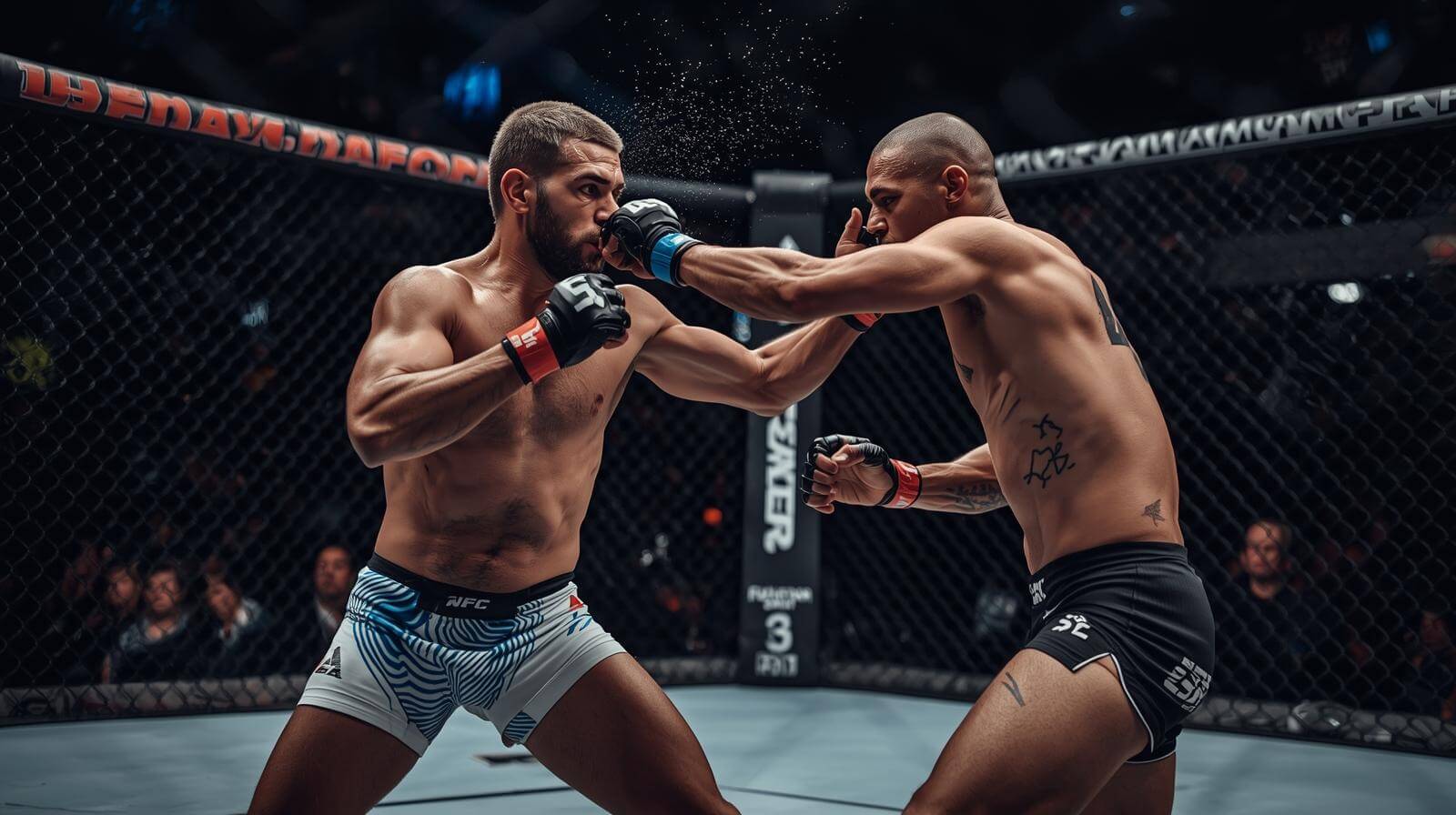
MMA (Mixed Martial Arts): The Ultimate Guide to History, Fighters, Rules, and Training
Mixed Martial Arts (MMA) has exploded in popularity over the past few decades, with millions of fans around the world tuning in to watch electrifying bouts in promotions like the UFC. But what exactly is MMA? How did it evolve? Who are the top fighters, and what are the rules of the sport? In this comprehensive guide, we’ll explore the ins and outs of MMA, from its history to its techniques, rules, and major events. Whether you’re a casual fan or a dedicated enthusiast, this guide will provide valuable insights into the world of MMA.
What Is Mixed Martial Arts?
Mixed Martial Arts (MMA) is a full-contact combat sport that allows athletes to use a wide range of fighting techniques from various disciplines, including boxing, Brazilian Jiu-Jitsu (BJJ), wrestling, Muay Thai, kickboxing, and more. The sport is known for its dynamic and fast-paced nature, with fighters combining striking, grappling, and submission techniques to defeat their opponents. Unlike traditional martial arts, MMA allows fighters to use multiple techniques and adapt their strategies throughout the fight.
Latest posts
MMA
View all
UFC Announces Major Changes to Bonus Structure
In a significant shift, the UFC has unveiled changes to its post-fight bonus structure ahead of its 2026 events. The new system…
Unloved in PE, ignored at top – what is cross country’s future?
Grassy hills and boggy ditches are Megan Keith’s happy place. For most of her running life she has considered herself primarily a…
O’Connor ‘never could have imagined’ 2025 success
By any standards, 2025 has been a memorable and life-changing breakthrough year for multi-event athlete Kate O’Connor. The 25-year-old has been one…
Hospital CCTV helps clear long jumper of doping
China’s world champion long jumper Wang Jianan has been cleared of doping after a review of hospital CCTV footage. Wang, 29, became…
The History and Evolution of MMA
MMA has roots in ancient combat sports, with many cultures around the world practicing some form of mixed martial arts. The modern sport, however, has a more recent history that can be traced back to the early 1990s.
Origins of MMA
Ancient Civilizations: Combat sports like boxing, wrestling, and jujitsu have been practiced for centuries. The ancient Greeks held the Olympic Games, where pankration—a no-holds-barred fighting sport—was featured. Pankration combined boxing and wrestling techniques, and its influence is still seen in MMA today.
Vale Tudo (Brazil): In the 1920s, Brazil developed Vale Tudo, a no-holds-barred fighting sport that allowed virtually all forms of fighting. Vale Tudo played a significant role in the development of modern MMA, with Brazilian fighters like Helio Gracie influencing its evolution.
The Birth of the UFC
In 1993, the first UFC event was held in Denver, Colorado. The UFC (Ultimate Fighting Championship) aimed to determine the most effective martial art in a real fight. The event featured fighters from various disciplines, including boxing, wrestling, kickboxing, and Brazilian Jiu-Jitsu (BJJ). Royce Gracie, a Brazilian Jiu-Jitsu specialist, won the first UFC event, showcasing the effectiveness of BJJ against other martial arts. This event marked the beginning of MMA as we know it today.
Key Rules and Regulations of MMA
MMA is a highly regulated sport with specific rules designed to ensure safety while maintaining the intensity of the competition. Here are some of the key rules:
1. Legal and Illegal Strikes
Legal Strikes: MMA fighters are allowed to use punches, elbows, knees, kicks, and other strikes from various angles. However, each organization may have slight variations in the rules.
Illegal Strikes: Some strikes, such as headbutts, eye gouging, groin attacks, and strikes to the back of the head, are prohibited.
2. The Octagon
Fights take place inside the Octagon, an eight-sided cage that is designed to keep fighters safely contained while providing enough space for movement.
3. Submissions and Tapping Out
In MMA, submission techniques are a key part of the sport. Fighters can submit their opponents by locking in joint manipulations (like armbars) or chokeholds. When a fighter taps out, it signals their submission and ends the fight.
4. Rounds and Duration
Most MMA fights are contested in three or five rounds, each lasting five minutes, with a one-minute rest period between rounds. Championship fights usually consist of five rounds.
5. Scoring System
MMA is scored based on the fighters’ effectiveness in three areas: striking, grappling, and control. Judges score each round, with a fighter needing to dominate in at least two of the three areas to win.
Prominent MMA Fighters
MMA has produced some of the most recognizable athletes in combat sports. Here are a few of the greatest fighters in MMA history:
1. Conor McGregor
Conor McGregor is one of the most famous MMA fighters of all time, known for his brash personality and knockout power. He became the first fighter in UFC history to hold two titles simultaneously in two different weight classes.
2. Georges St-Pierre
Georges St-Pierre (GSP) is considered one of the greatest mixed martial artists of all time. A former UFC welterweight and middleweight champion, GSP’s skillset includes exceptional striking, wrestling, and BJJ.
3. Khabib Nurmagomedov
Khabib Nurmagomedov retired undefeated with a record of 29-0. His dominance in the lightweight division and his unique wrestling style made him a standout figure in MMA.
4. Amanda Nunes
Amanda Nunes is regarded as one of the greatest female fighters in MMA history. She has held titles in both the bantamweight and featherweight divisions and is known for her powerful striking.
MMA Training: Preparing for a Fight
Training for an MMA fight requires a multifaceted approach that combines strength training, conditioning, skill development, and mental preparation. Here’s what a typical MMA training regimen looks like:
1. Strength and Conditioning
Mixed Martial Arts fighters need to be in top physical condition to withstand the rigors of a fight. Conditioning exercises include running, swimming, cycling, and high-intensity interval training (HIIT) to improve cardiovascular endurance.
2. Striking and Sparring
Striking training focuses on techniques from boxing, Muay Thai, and kickboxing. Sparring sessions with a partner help fighters improve timing, distance control, and striking accuracy.
3. Grappling and Jiu-Jitsu
Brazilian Jiu-Jitsu (BJJ) and wrestling are essential components of MMA. Grappling and Jiu-Jitsu techniques help fighters control their opponents on the ground and work towards submissions.
4. Mental Preparation
Fighters also undergo mental conditioning, working with sports psychologists to enhance focus, deal with the pressure of competition, and stay calm during high-intensity moments.
Major MMA Events and Organizations
Mixed Martial Arts events are held worldwide, with the UFC being the most well-known promotion. Here are some of the major MMA organizations and their events:
1. UFC (Ultimate Fighting Championship)
The UFC is the largest and most popular MMA organization globally. It hosts regular pay-per-view events, featuring fighters from all over the world competing in various weight classes.
2. Bellator MMA
Bellator is another major MMA promotion, known for hosting tournaments and featuring top fighters across various weight divisions.
3. ONE Championship
Based in Asia, ONE Championship is a major MMA organization that features fighters from various martial arts disciplines, including Muay Thai, BJJ, and kickboxing.
4. PFL (Professional Fighters League)
PFL introduces a unique tournament-style format where fighters compete for a spot in the playoffs, with the ultimate prize being a million-dollar payout for the winner in each weight class.
MMA for Beginners: How to Get Started
If you’re interested in getting started in MMA, here’s a simple guide for beginners:
1. Find a Good Gym
Look for a gym with experienced coaches and a focus on MMA training. Many gyms offer classes in different disciplines like BJJ, wrestling, boxing, and Muay Thai, which are all key components of MMA.
2. Start with the Basics
Learn the fundamental techniques first, such as basic punches, kicks, takedowns, and submissions. Build a strong foundation before moving on to more advanced techniques.
3. Build Your Fitness
MMA requires strength, stamina, and flexibility. Incorporate regular cardiovascular training, strength training, and flexibility exercises into your routine.
4. Train Consistently
Consistency is key in MMA. Make sure to train regularly and push yourself to improve in all aspects of the sport.
Conclusion
Mixed Martial Arts is a thrilling, multifaceted sport that continues to evolve and captivate audiences around the world. Whether you’re a fan of the intense competition, the incredible athletes, or the athleticism and discipline required to succeed in MMA, there’s no doubt that this sport has something for everyone. From its fascinating history to its modern-day icons and events, MMA offers a unique blend of athleticism, strategy, and heart-pounding action.
As the sport grows and continues to attract new fans and fighters, the future of MMA looks brighter than ever.
FAQ Section
1. What are the main rules of Mixed Martial Arts?
The main rules of MMA include banning illegal strikes (like headbutts, eye gouging, and groin shots), allowing punches, kicks, elbows, and knees, and allowing submission holds. Fights are typically three to five rounds, with judges determining the winner based on the fighter’s performance in striking, grappling, and control.
2. How do I start training for Mixed Martial Arts?
To start training for MMA, find a good gym with experienced coaches, focus on learning basic techniques (such as punches, kicks, takedowns), and build your fitness through strength and conditioning exercises. Consistent practice and dedication will help you improve.
3. Who are some of the best Mixed Martial Artsfighters of all time?
Some of the best MMA fighters include Conor McGregor, Georges St-Pierre, Khabib Nurmagomedov, Amanda Nunes, and Jon Jones. These athletes have made a significant contributions to the sport and are known for their incredible skills and achievements in the cage.
4. What is the difference between Mixed Martial Arts and boxing?
The main difference between Mixed Martial Arts and boxing is that MMA allows a wide range of striking and grappling techniques from various disciplines (boxing, wrestling, Muay Thai, etc.), while boxing is limited to punches. MMA fighters are trained in multiple areas of combat, whereas boxers focus specifically on punching techniques.
5. How long does it take to get good at Mixed Martial Arts?
It varies depending on the individual, but it typically takes several years of consistent training to become proficient in MMA. Focus on mastering the basics, improving your fitness, and gaining experience in sparring and live training sessions. The more you practice, the better you’ll get.