

Premier League News, Fixtures, Results and Tactical Insight
The Premier League rarely moves at a predictable pace. A single weekend can reshape the title race, tighten the battle for European qualification, or drag another club into a relegation fight that seemed settled weeks earlier. What makes the English top flight unique is not just the quality on display, but how quickly narratives change once pressure builds. Rather than treating matches as isolated events, Premier League coverage works best when each result is viewed as part of a longer sequence — form curves, fixture difficulty, squad rotation, and tactical adjustments all matter more than individual scorelines.
Latest posts
Premier League
View all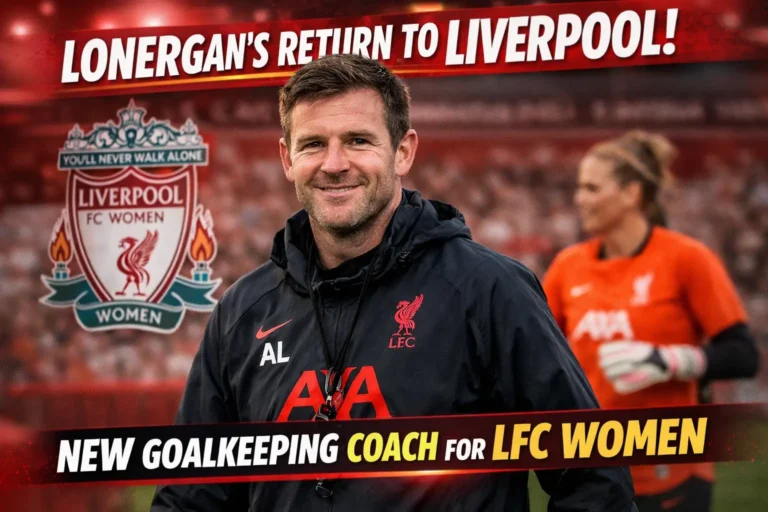
Liverpool Confirm Return of Former Goalkeeper Andy Lonergan in New Coaching Role
Liverpool have officially brought back former goalkeeper Andy Lonergan but this time in a completely new capacity behind the scenes. The 42-year-old…
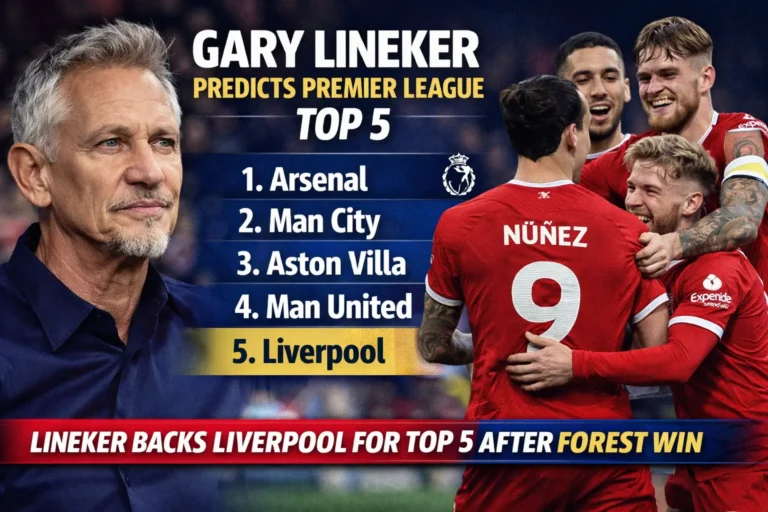
Gary Lineker Predicts Liverpool Top 5 Finish After Dramatic Forest Win
Key Takeaways: Lineker predicts Liverpool will finish in Premier League top 5, enough for Champions League qualification. Reds’ late win over Nottingham…
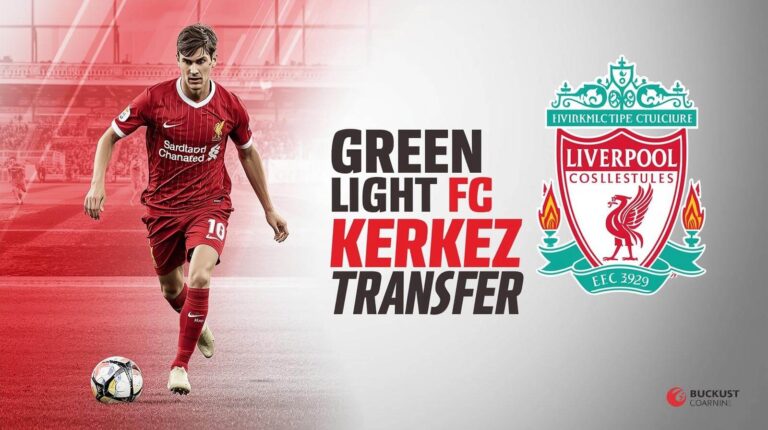
Liverpool Given “Green Light” in Milos Kerkez Transfer Pursuit
Liverpool has been interested in Bournemouth left-back Milos Kerkez for a long time. Things off the field have made it easier for…
Matchdays That Redefine the Season
Certain rounds of fixtures carry more weight than others. Matches played around international breaks, congested holiday schedules, or after European commitments tend to reveal which squads are built for endurance rather than short bursts of form.
Recent Premier League matchdays have shown:
High pressing systems fading late in games
Squad depth deciding results rather than first-choice quality
Defensive structure becoming more conservative in high-stakes fixtures
These patterns often surface before they are reflected clearly in the table.
Understanding the Premier League Table Beyond Points
The league table is only the surface layer. To understand where teams are really heading, it helps to look deeper at how points are being collected.
Trends that usually matter more than position:
Goal difference against top-half sides
Points earned away from home
Performance in matches decided by one goal
Teams that quietly accumulate points during difficult stretches often emerge strongest during the final third of the season.
Title Contenders and the Margins That Separate Them
The Premier League title is rarely won through dominance alone. It is often decided by:
Dropped points in matches expected to be routine
Injuries at critical moments
Tactical flexibility when primary plans fail
Championship-winning sides tend to show restraint in chaotic matches, choosing control over spectacle when necessary. This ability to manage risk separates contenders from challengers.
The Battle for European Places
Qualification for European competitions has become increasingly complex. With multiple routes into continental football, teams are often chasing several objectives simultaneously.
Key factors influencing European qualification:
Head-to-head records against rivals
Ability to rotate squads without performance drop-off
Adaptation to midweek fixtures
Late-season clashes between teams targeting similar outcomes often carry the intensity of cup finals.
Relegation Pressure and Survival Football
At the other end of the table, the Premier League’s relegation battle is shaped less by talent and more by resilience. Teams fighting to stay up rarely dominate matches; instead, survival often depends on efficiency.
Common survival traits include:
Compact defensive blocks
Set-piece reliability
Strong home performances under pressure
Momentum plays an outsized role here. One win can shift belief across an entire squad.
Tactical Trends Across the League
Tactical identities in the Premier League continue to evolve. While possession-heavy systems remain popular, there has been a noticeable shift toward situational control rather than constant dominance.
Current league-wide trends include:
Midfield overloads instead of wide isolation
Reduced defensive lines against fast transitions
Increased emphasis on pressing triggers rather than constant press
Managers who adjust their approach based on opposition rather than philosophy alone tend to maintain consistency across long seasons.
Players Defining the Narrative
Individual performances still shape headlines, but consistency defines influence. Players who impact matches without dominating possession often prove most valuable.
Influential roles this season include:
Defensive midfielders controlling tempo
Centre-backs initiating buildup under pressure
Wide forwards contributing defensively as well as offensively
These contributions rarely stand out in highlight reels but repeatedly decide tight matches.
Transfers, Squad Planning and January Impact
Transfer strategy in the Premier League has shifted noticeably. Rather than large-scale rebuilds, clubs increasingly focus on targeted additions that fit existing systems.
January signings often succeed when they:
Fill a clearly defined tactical role
Arrive match-fit rather than as long-term projects
Improve depth rather than replace starters
Poorly planned winter recruitment can disrupt momentum more than it helps.
Managers, Adaptation and In-Game Decisions
Premier League managers operate under constant scrutiny. Tactical bravery is praised only when it succeeds, making in-game management a delicate balance.
Key decision points include:
Timing of substitutions
Willingness to abandon initial plans
Managing fatigue during congested schedules
The best managers are often those whose influence is least visible.
The Premier League’s Place in English Football
Beyond results, the Premier League sets the tone for the wider football pyramid. Its financial power influences recruitment strategies, youth development, and managerial appointments across all divisions.
Trends established at the top level frequently shape:
Championship tactical approaches
Player development pathways
Refereeing interpretations across leagues
What happens in the Premier League rarely stays confined to it.
FAQ – Premier League
How many teams compete in the Premier League?
The Premier League consists of 20 clubs competing across a 38-match season.
When does the Premier League season usually start and end?
The season typically runs from August to May, with short breaks for international fixtures.
How many teams qualify for European competitions?
Qualification varies each season, but usually includes places for the Champions League, Europa League and Europa Conference League.
How many teams are relegated from the Premier League?
The bottom three teams are relegated to the EFL Championship at the end of the season.